
A Guide to Sandblasting Nozzle Jacket Materials

A Guide to Sandblasting Nozzle Jacket Materials
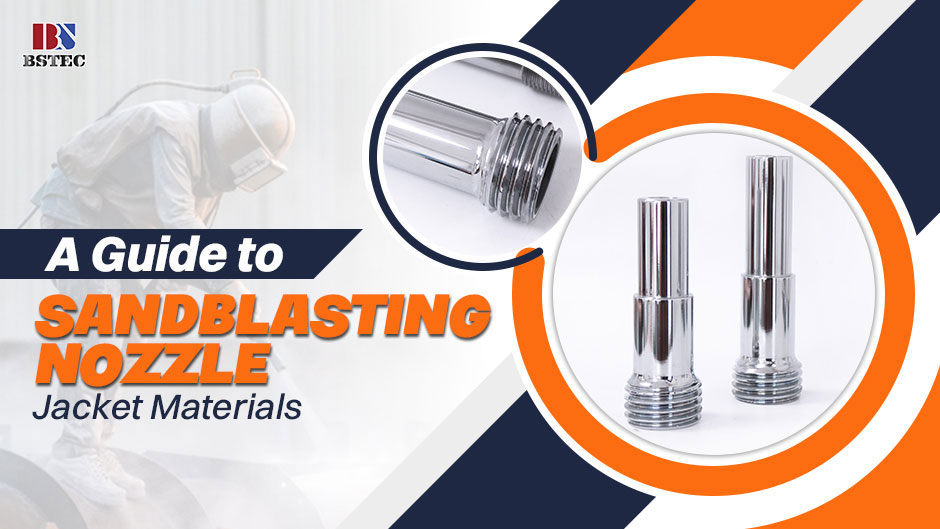
Sandblasting nozzles are critical components in abrasive blasting systems, directly influencing efficiency, safety, and operational cost. While much attention is given to the liner material—such as tungsten carbide, silicon carbide, or boron carbide—the outer jacket that encases the liner is equally important. This guide explores the common materials used for sandblasting nozzle jackets, their properties, and how to select the most suitable one for specific applications.
1. The Role of the Nozzle Jacket
The jacket of a sandblasting nozzle serves as the outer protective layer. Its primary function is to shield the brittle liner from mechanical shocks, such as drops or impacts during handling and operation. A cracked jacket often indicates internal damage, and using a nozzle with a compromised jacket can be unsafe, as the liner may also be fractured . Therefore, selecting a durable jacket material is essential for both safety and cost-effectiveness.
2. Common Jacket Materials
Rubber
Rubber jackets are widely used due to their excellent impact resistance. They are particularly beneficial in environments where nozzles are frequently handled or prone to being dropped. Rubber absorbs shock effectively, reducing the likelihood of liner damage. Additionally, rubber jackets are lightweight, which helps reduce operator fatigue during prolonged use.
Aluminum
Aluminum jackets offer a more rigid and durable outer shell. They are favored in heavy-duty applications where the nozzle may be subjected to rough handling or harsh environmental conditions. While aluminum provides less impact absorption than rubber, it offers superior structural integrity and is often preferred in stationary or semi-stationary setups.
Polyurethane
Polyurethane is another material gaining popularity for nozzle jackets. It combines some of the shock-absorbing qualities of rubber with enhanced chemical and abrasion resistance. Polyurethane jackets are lightweight and durable, making them suitable for both portable and industrial applications.
Steel
Steel jackets are less common but are used in specialized high-pressure or high-wear environments. They provide maximum protection against external damage but are heavier and may increase operator fatigue. Steel is typically reserved for automated or robotic blasting systems where manual handling is minimal.
3. Material Selection Criteria
When choosing a nozzle jacket material, several factors should be considered:
· Work Environment: In construction sites or mobile operations where nozzles are frequently moved or dropped, rubber or polyurethane jackets are preferable for their impact resistance.
· Operator Comfort: For long-duration blasting tasks, lightweight materials like rubber or polyurethane help reduce fatigue and improve productivity.
· Durability Needs: In fixed installations or heavy-duty applications, aluminum or steel jackets may be more appropriate due to their robustness.
· Cost Considerations: Rubber and aluminum jackets are generally more cost-effective, while polyurethane and steel may come at a premium but offer extended service life in demanding conditions.
4. Maintenance and Safety Tips
Regardless of the jacket material, regular inspection is crucial. Any visible cracks, dents, or wear on the jacket should prompt immediate replacement, as the liner inside may also be damaged. Operators should also ensure compatibility between the jacket material and the blasting media, especially in wet or corrosive environments.
5. Conclusion
The jacket of a sandblasting nozzle plays a vital role in protecting the internal liner and ensuring safe, efficient operation. Rubber and polyurethane offer excellent impact resistance and comfort, aluminum provides durability and rigidity, and steel delivers maximum protection in extreme conditions. By understanding the strengths and limitations of each material, operators can make informed decisions that enhance performance, extend nozzle life, and maintain workplace safety.


