
How a Sandblast Helmet with Air Supply Protects You from Silica Dust

How a Sandblast Helmet with Air Supply Protects You from Silica Dust
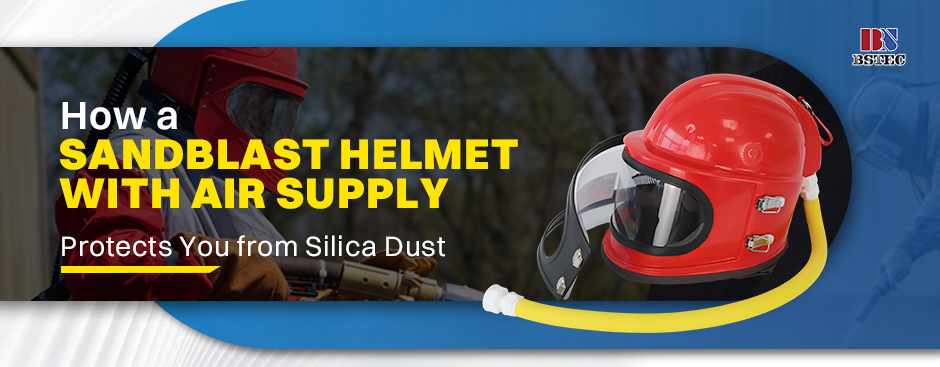
In the sandblasting industry, the invisible threat of crystalline silica dust is far more dangerous than any visible hazard. This dust, generated when abrasive materials impact surfaces, can lead to silicosis—an incurable, debilitating, and often fatal lung disease. The first line of defense against this silent killer isn't just a mask; it's a dedicated sandblast helmet with a supplied air system. Here’s a detailed look at how this essential piece of personal protective equipment (PPE) creates an impenetrable barrier between you and harm.
1. Complete Isolation from the Contaminated Environment
Unlike disposable masks or half-face respirators that filter the air you breathe from the surrounding environment, a supplied-air helmet completely bypasses the toxic atmosphere. It delivers a continuous flow of clean, breathable air from an external source directly into the helmet's interior. This means every breath you take is pure, coming from a safe origin, completely isolated from the silica dust cloud you're working in.
2. The Critical Role of Positive Pressure
This is the most crucial engineering feature for your safety. A sandblast helmet with air supply maintains positive pressure inside the visor and breathing zone. This means the air pressure inside the helmet is consistently higher than the atmospheric pressure outside. If any small leak develops around the neck seal or elsewhere, the clean air flows outward, actively preventing the contaminated outside air from being sucked inward. This fail-safe mechanism provides a critical margin of error that filtering respirators simply cannot offer.
3. Integrated Protection for Eyes, Face, and Head
Silica dust is not only a respiratory hazard. It can cause severe eye irritation and skin problems. A sandblast helmet is a full hood that protects your entire head, face, neck, and shoulders. The large, durable visor protects your eyes from both dust and flying abrasive particles, while the rugged shell material (like ABS) shields your skin and head from impact. This integrated approach ensures no part of your upper body is exposed to the hazardous environment.
4. Grade D Breathable Air: Ensuring the Air Supply is Safe
The system's effectiveness hinges on the quality of the supplied air. The air source must provide Grade D breathable air, as defined by safety standards like OSHA. This requires a combination of a high-quality air compressor and in-line filters that remove oil, water, carbon monoxide, and other particulates. Using a properly maintained air supply system is as important as the helmet itself in ensuring comprehensive protection.
5. A System That Promotes Compliance and Reduces Fatigue
Because supplied-air helmets are more comfortable than tight-fitting respirators and provide cool, fresh air, operators are more likely to wear them correctly for the entire duration of the job. This drastically reduces the risk of accidental exposure due to improper use or removal. By reducing heat stress and breathing resistance, these helmets help maintain productivity and focus over long shifts.
Conclusion
Protecting yourself from silica dust is not a matter of choice; it's a professional and ethical imperative. A sandblast helmet with a supplied air system is the only solution that offers complete respiratory, visual, and physical protection through a combination of air isolation, positive pressure, and full coverage. Don't gamble with your health. Invest in a certified sandblast helmet with air supply—because your ability to breathe freely tomorrow depends on the decisions you make today.


