
Industrial Sandblasting Helmet Review: Are Integrated Respirators Worth It?

Industrial Sandblasting Helmet Review: Are Integrated Respirators Worth It?
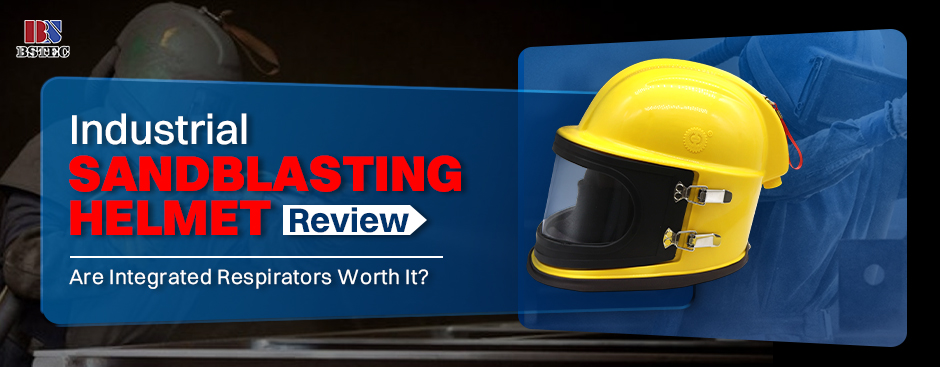
For any industrial blasting operation, the question of respiratory protection is paramount. The traditional choice has often been a separate, tight-fitting respirator worn under a basic hood. But a modern alternative is gaining ground: the industrial sandblasting helmet with an integrated respirator system. Is this all-in-one solution a worthwhile investment, or just an expensive gimmick? In this review, we'll break down the pros and cons to help you decide.
What is an Integrated Respirator System?
Unlike a standard hood, where you supply your own respirator, an integrated system combines the helmet and the air-supplied respirator into a single, purpose-built unit. It's designed to work seamlessly, typically featuring a built-in breathing hose connection, a designed air-flow path, and a secure neck seal, all functioning as one cohesive safety apparatus.
The "Pros": Why They Are a Smart Investment
Unmatched Sealing and Positive Pressure: This is the biggest advantage. Integrated systems are engineered from the ground up to maintain a reliable positive-pressure environment. The seal around the neck is specifically designed for the unit, drastically reducing the risk of leakage compared to a makeshift combination of a separate hood and respirator.
Optimized Comfort and Ergonomics: Without a bulky respirator pressed against your face, comfort is significantly improved. The weight is better distributed, and there are no pressure points on your nose or cheeks. This leads to less fatigue and higher productivity during long shifts.
Superior Visibility and Field of View: By eliminating the protrusion of a separate respirator, integrated helmets often feature a larger, unobstructed viewing area. This enhanced visibility is crucial for precision work and overall situational awareness.
Streamlined Donning and Doffing: Putting on the gear becomes a quick, one-step process. There's no need to fumble with aligning a separate respirator and ensuring its seal isn't compromised by the hood. This simplicity encourages consistent and correct use.
The "Cons": Considerations Before You Buy
Higher Initial Investment: The upfront cost of a quality integrated helmet system is typically higher than purchasing a basic hood and a separate respirator. This can be a barrier for smaller operations or those with limited budgets.
Specialized Maintenance and Cleaning: These systems can be more complex to clean and maintain. The internal air channels need to be kept clean to prevent contamination, and replacement parts are often specific to the model.
Less Flexibility: A separate respirator can be used independently for other tasks, like grinding or painting. An integrated helmet is a dedicated piece of equipment for air-supplied blasting, which might limit its versatility for some users.
Verdict: Are They Worth It?
For any professional, high-volume, or industrial sandblasting operation, the answer is a resounding yes. The enhanced safety provided by a guaranteed positive pressure seal, combined with the significant gains in operator comfort and productivity, easily justifies the higher initial cost over time. It transforms respiratory protection from a cumbersome necessity into a streamlined, highly effective component of the workflow.
While hobbyists or those with very occasional needs might find a separate setup sufficient, for businesses where safety, efficiency, and operator well-being are priorities, an industrial sandblasting helmet with an integrated respirator is not just worth it—it's the unequivocal best practice.


