
Air Filter Cartridge Replacement Schedule: Why 400 Hours or 3 Months?

Air Filter Cartridge Replacement Schedule: Why 400 Hours or 3 Months?
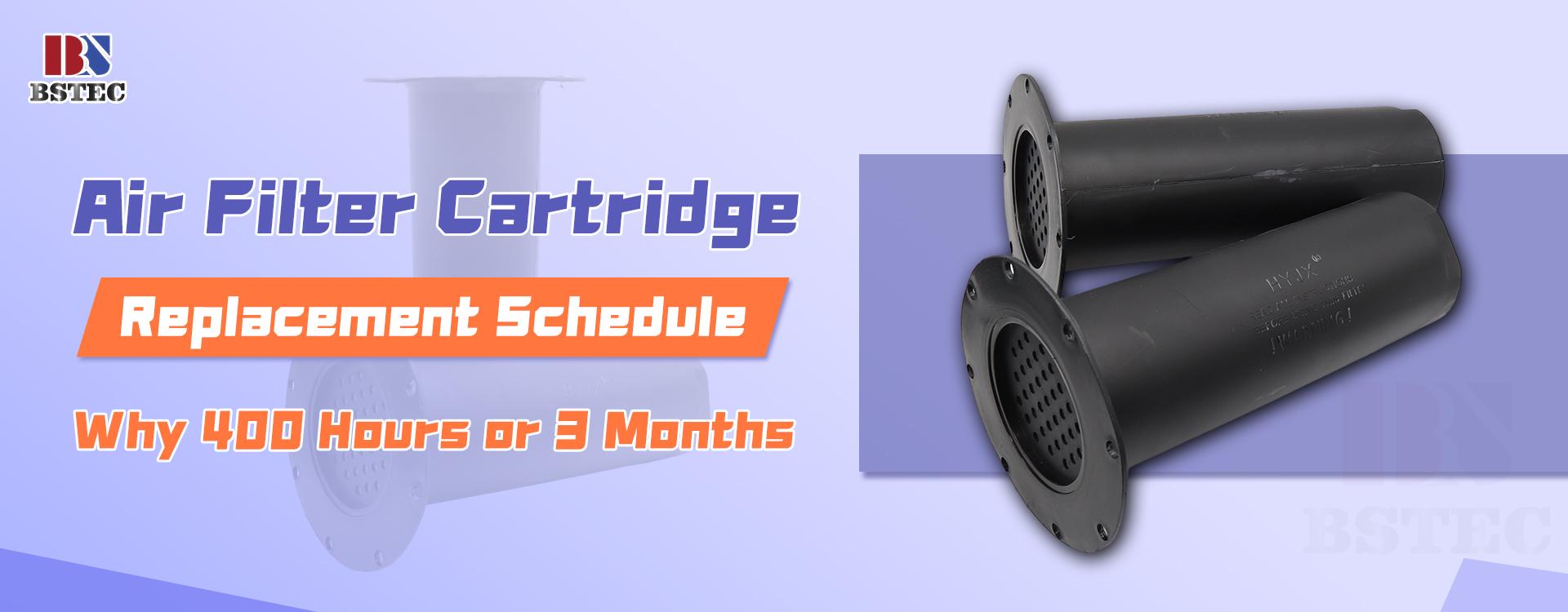
Why change your breathing air filter cartridge every 400 hours or 3 months? We explain the science behind the schedule and the dangers of exceeding it for sandblasting operators.
"Change your breathing air filter cartridge every 400 hours or 3 months, whichever comes first." This directive is found in manuals and safety sheets worldwide. But is it just a conservative suggestion from overly cautious lawyers? Absolutely not. This interval is a critical safety benchmark based on the science of saturation and the very real risks of compressed air contamination. Understanding the "why" behind this rule is essential for protecting your team and your business.
The Science of Saturation: How Filter Cartridges Work and Wear Out
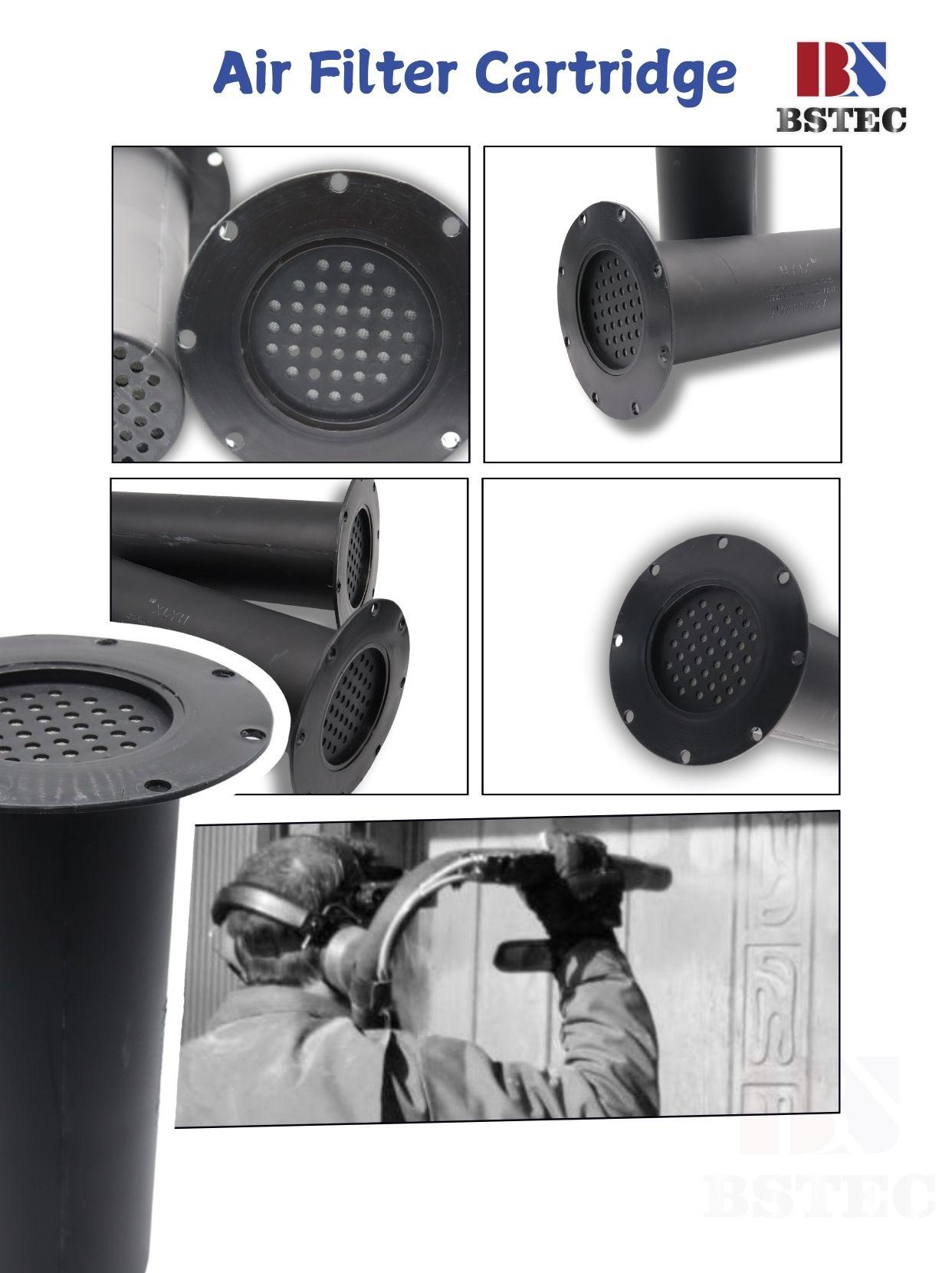
A coalescing filter cartridge removes liquids and aerosols by trapping them in a fibrous media maze, causing them to coalesce into larger droplets that drain away. An activated carbon cartridge adsorbs vapors and odors by trapping gas molecules on its vast internal surface area. Think of it like a sponge. Eventually, the media becomes saturated—the sponge can't hold any more water. In a filter, this means contaminants can no longer be captured and will start to "break through" into the air you breathe.
Decoding the 400-Hour Rule: A Benchmark for Worst-Case Scenarios
The 400-hour mark is not an arbitrary number. It is a calculated, conservative estimate based on high air consumption rates and heavily contaminated air typical in demanding applications like sandblasting. It accounts for variables like:
▷High Oil Load: Common with lubricated compressors.
▷High Humidity: Which can quickly saturate the media.
▷Continuous Operation: Maximizing exposure to contaminants.
This interval ensures that even under the most severe operating conditions, the cartridge is replaced long before its adsorption capacity is exhausted.
The 3-Month Rule: Why Time Itself is an Enemy
Even if your compressor hasn't run for 400 hours, the 3-month rule still applies. Why? Activated carbon and filter media can degrade over time through a process called "channeling," where air flow creates preferred pathways, reducing contact with the media. Furthermore, humidity in the air can passively saturate the carbon, even when the system is off. A cartridge sitting idle for six months may be completely useless, offering a false sense of security.
Signs You Might Need to Change Sooner: Heeding the Warnings
While 400/3 is a maximum, always change your cartridge sooner if you notice:
▷Any Detectable Odor or Taste: The most immediate sign of breakthrough.
▷Increased Pressure Drop: If you notice a significant decrease in air flow at the nozzle, the filter may be clogged.
▷High Humidity Conditions: Working in rainy or very humid environments can saturate the cartridge faster.
The "400 hours or 3 months" rule is a failsafe, not a target. It is the absolute maximum service life under ideal conditions. Adhering to it religiously is the simplest, most effective way to ensure the air your team breathes is always safe. Never extend the service interval to save money; the potential human and financial costs are unimaginably high. For cartridges you can trust to protect for the entire service interval, insist on quality from BSTEC®.


