Angle Blast Nozzles
ʻO ka weheweheʻana
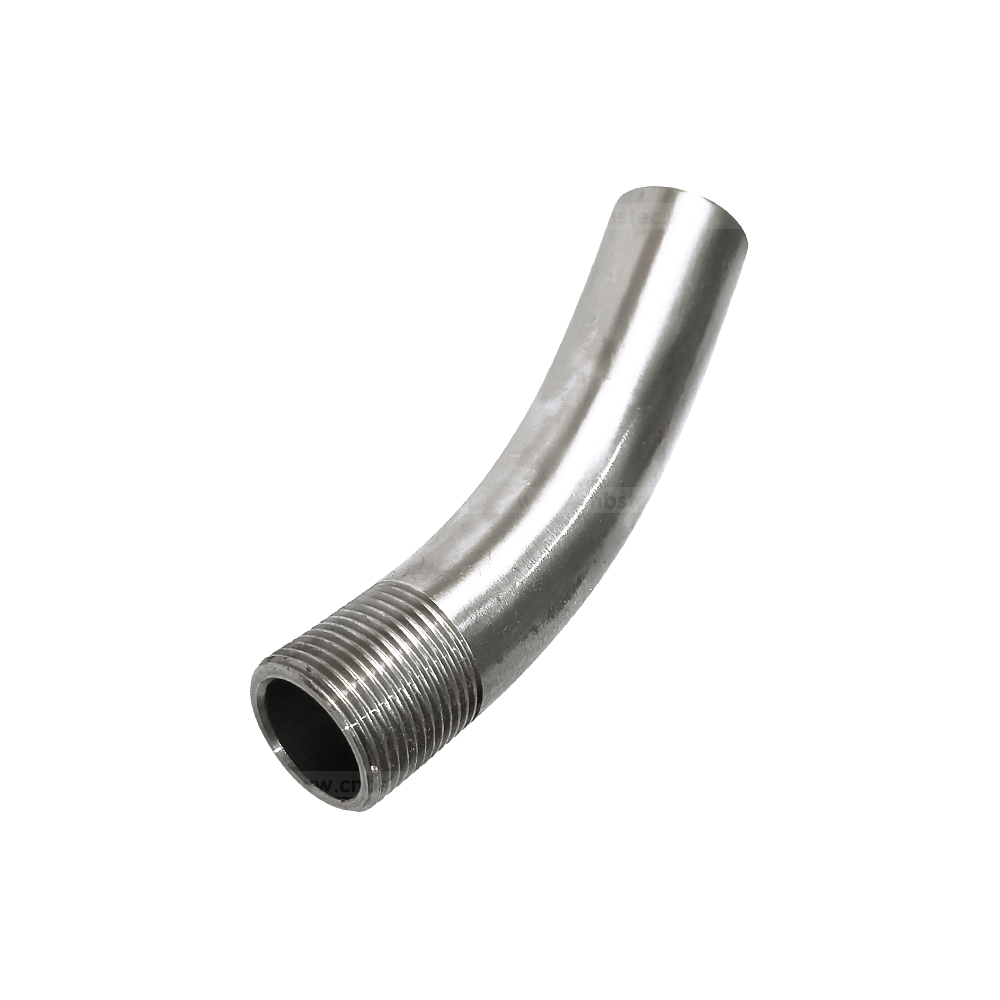
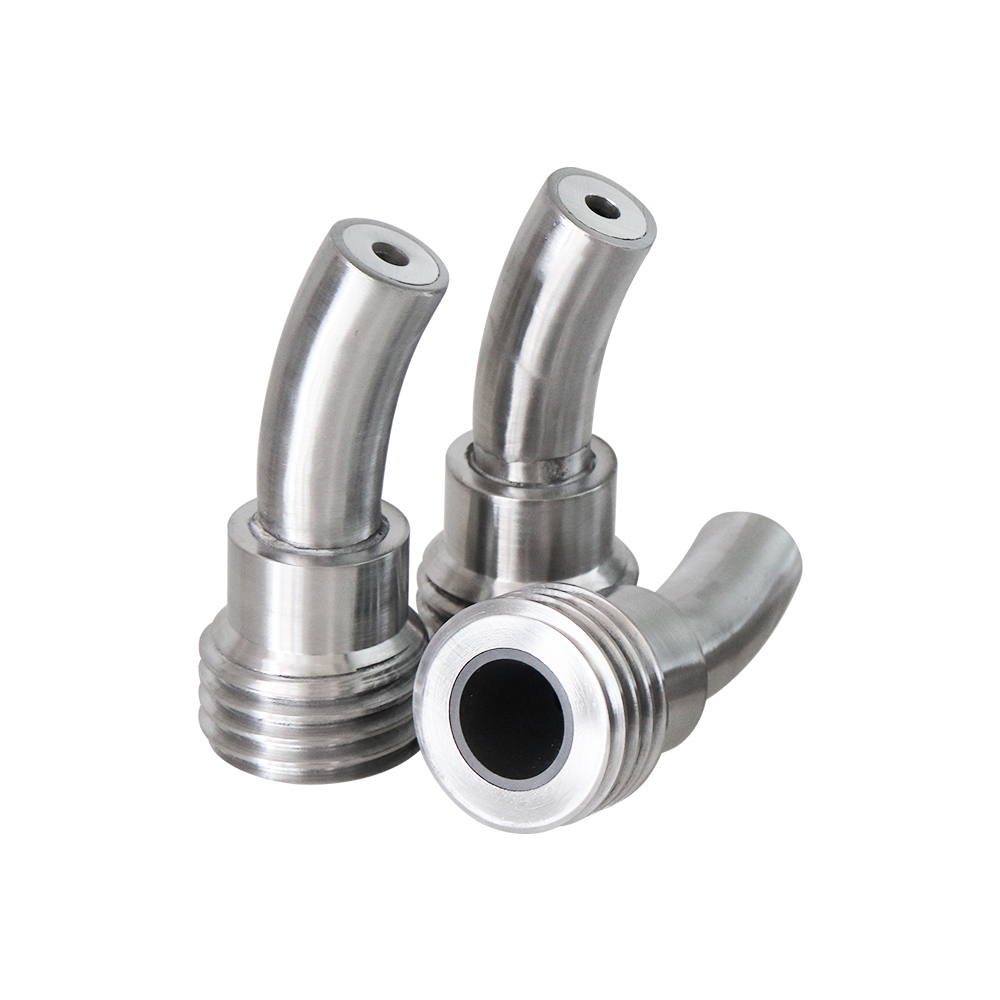
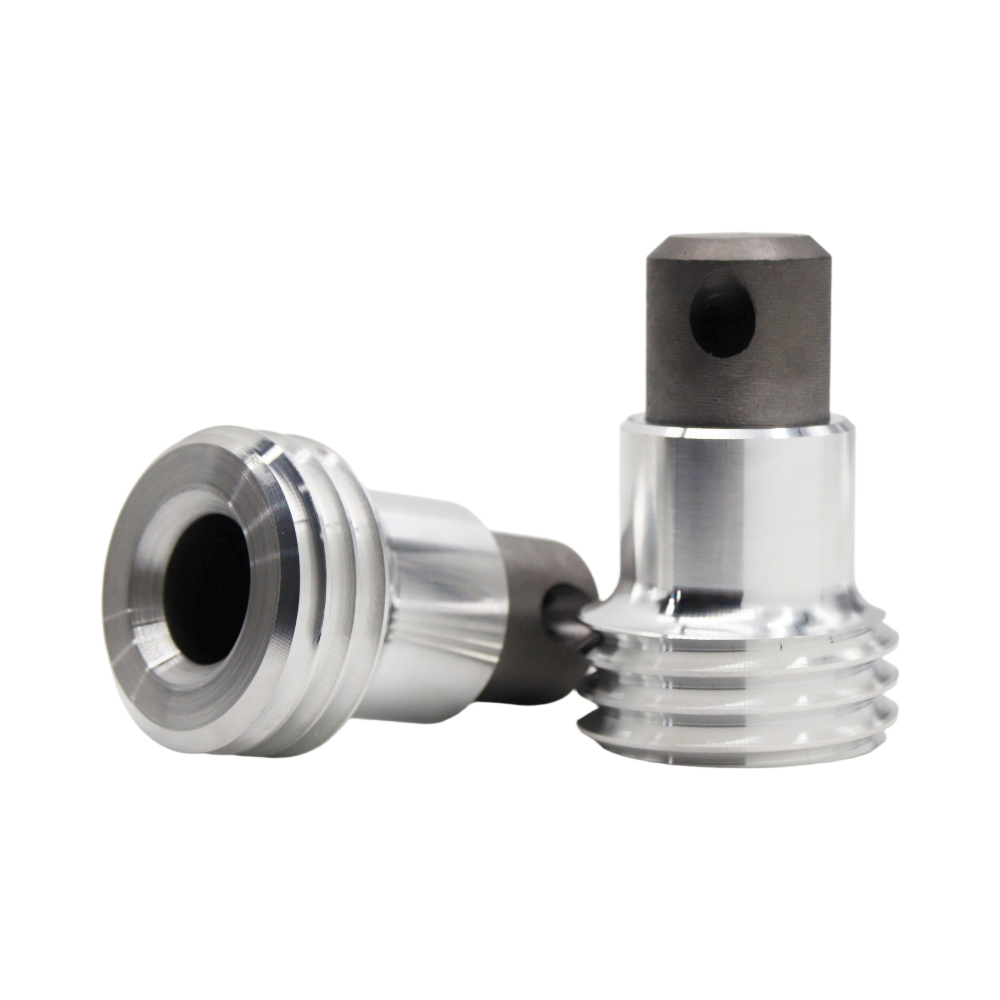
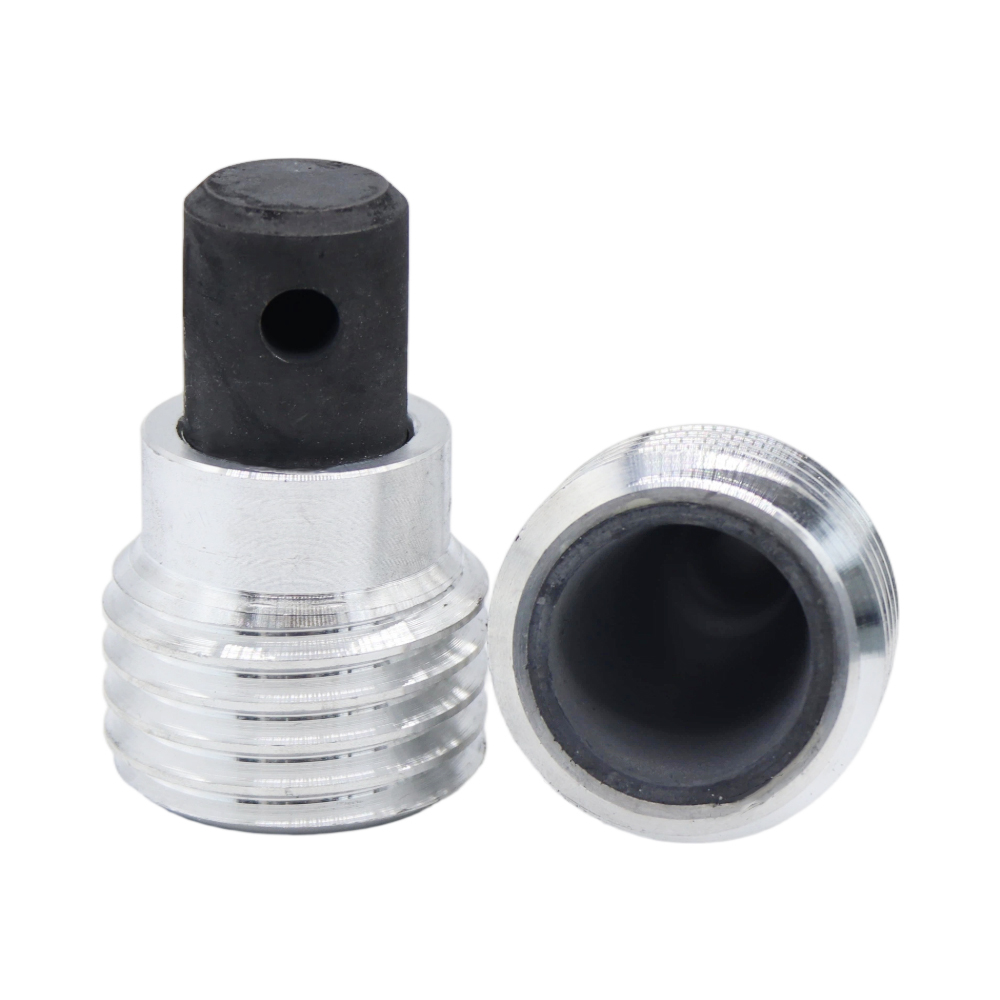
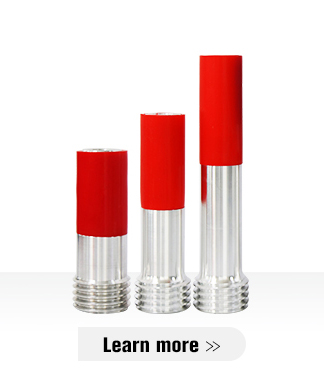
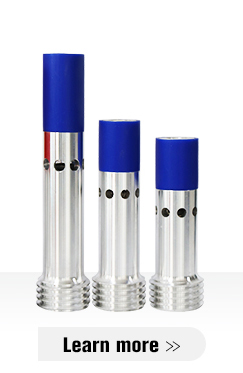
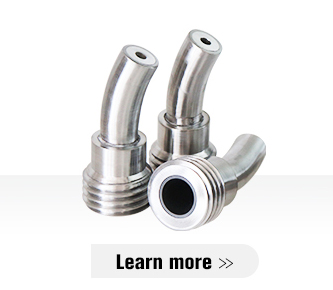
Angle Blast Nozzles are specially designed sandblasting nozzles that direct abrasive media sideways instead of straight ahead. Available with 45°, 90°, or 135° outlets, they provide access to corners, behind flanges, inside beams, and other confined areas that straight nozzles cannot reach.
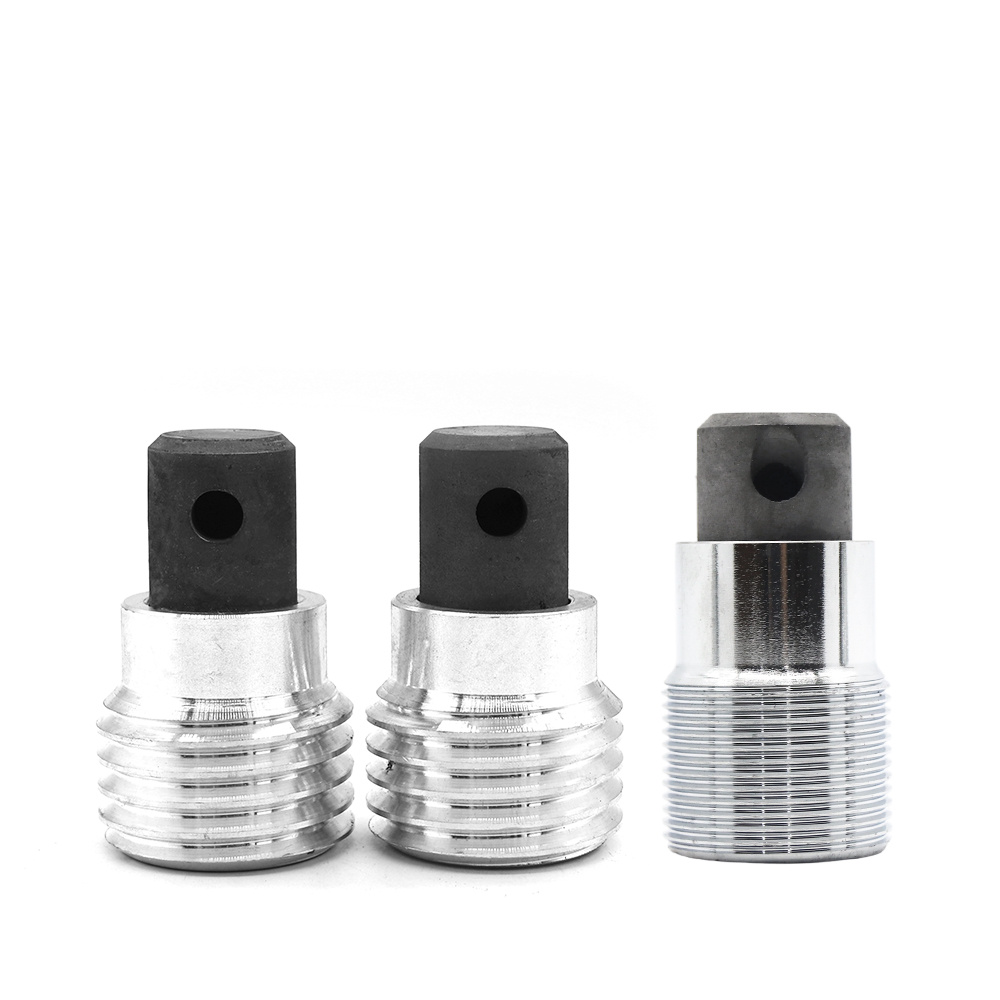
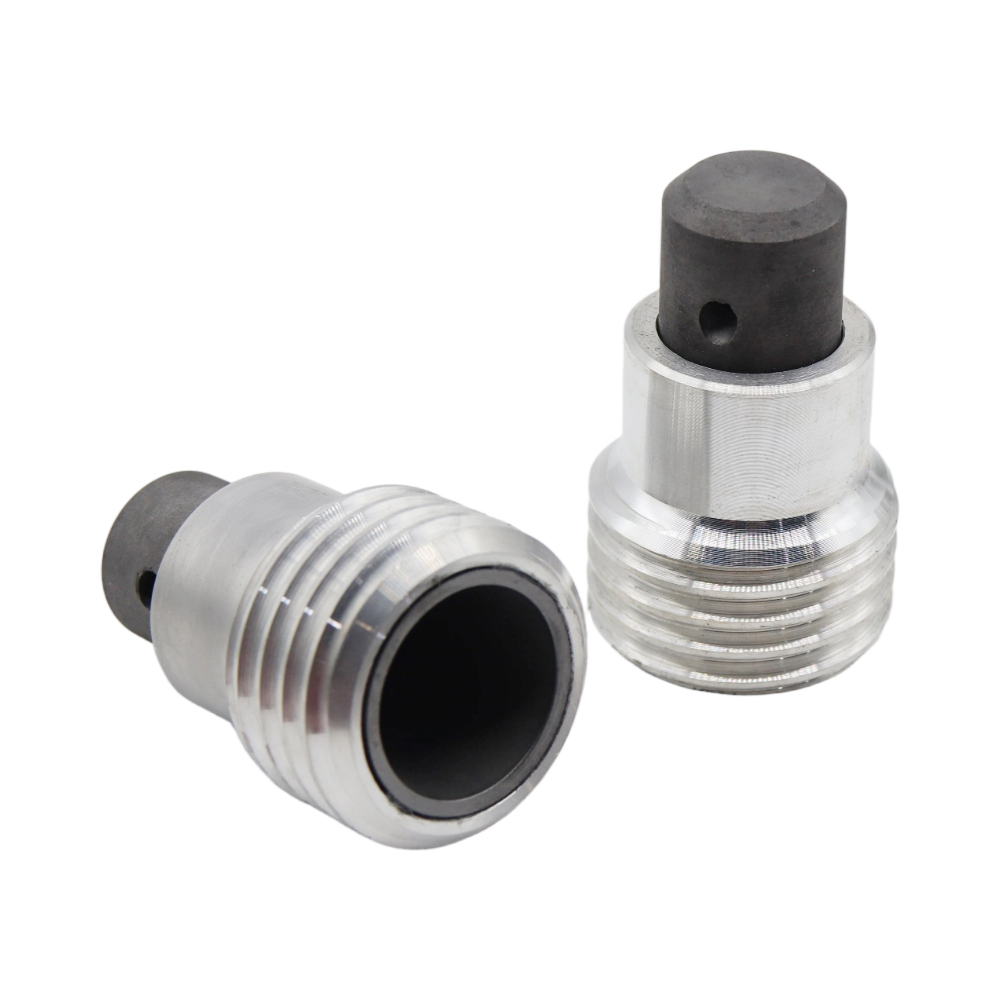
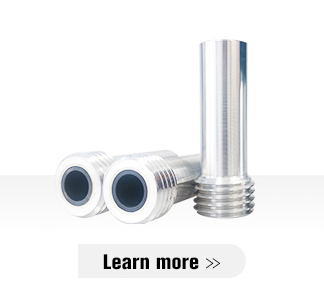
The internal liner is made of tungsten carbide (TC) – an extremely wear-resistant material that withstands continuous abrasive impact. An aluminum jacket protects against ricochet damage and extends service life.
Models include single, double, or triple outlet bores: single bore delivers concentrated impact for weld prep and precision work; double and triple bores expand coverage for faster cleaning on larger surfaces.
This design ensures consistent abrasive contact in confined and irregular spaces, making Angle Blast Nozzles essential for structural steel, oil & gas, marine, and industrial maintenance projects.

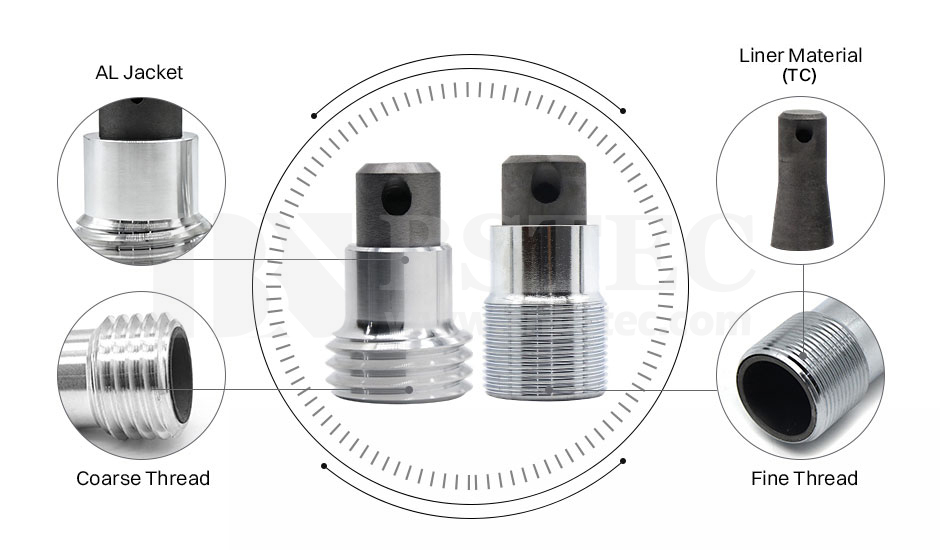
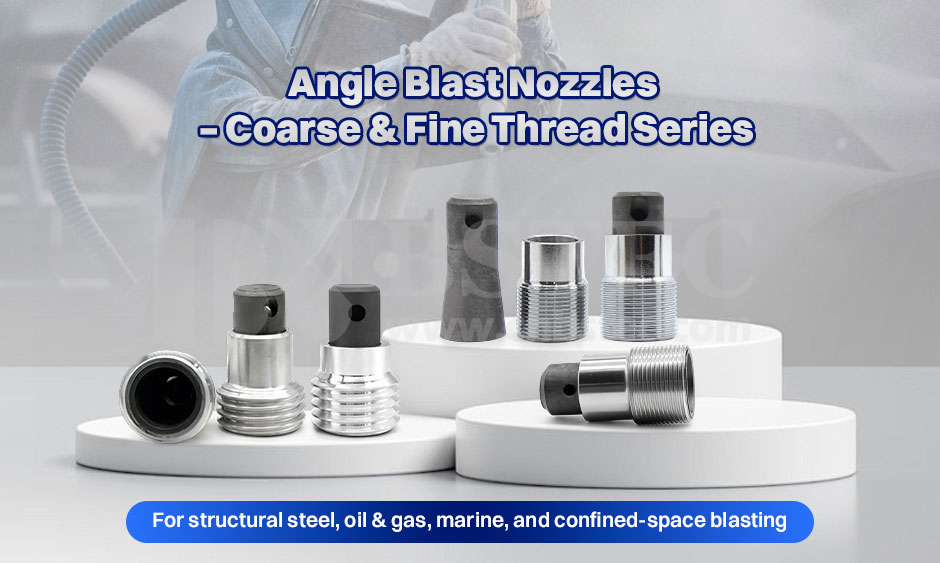
Two thread families available:
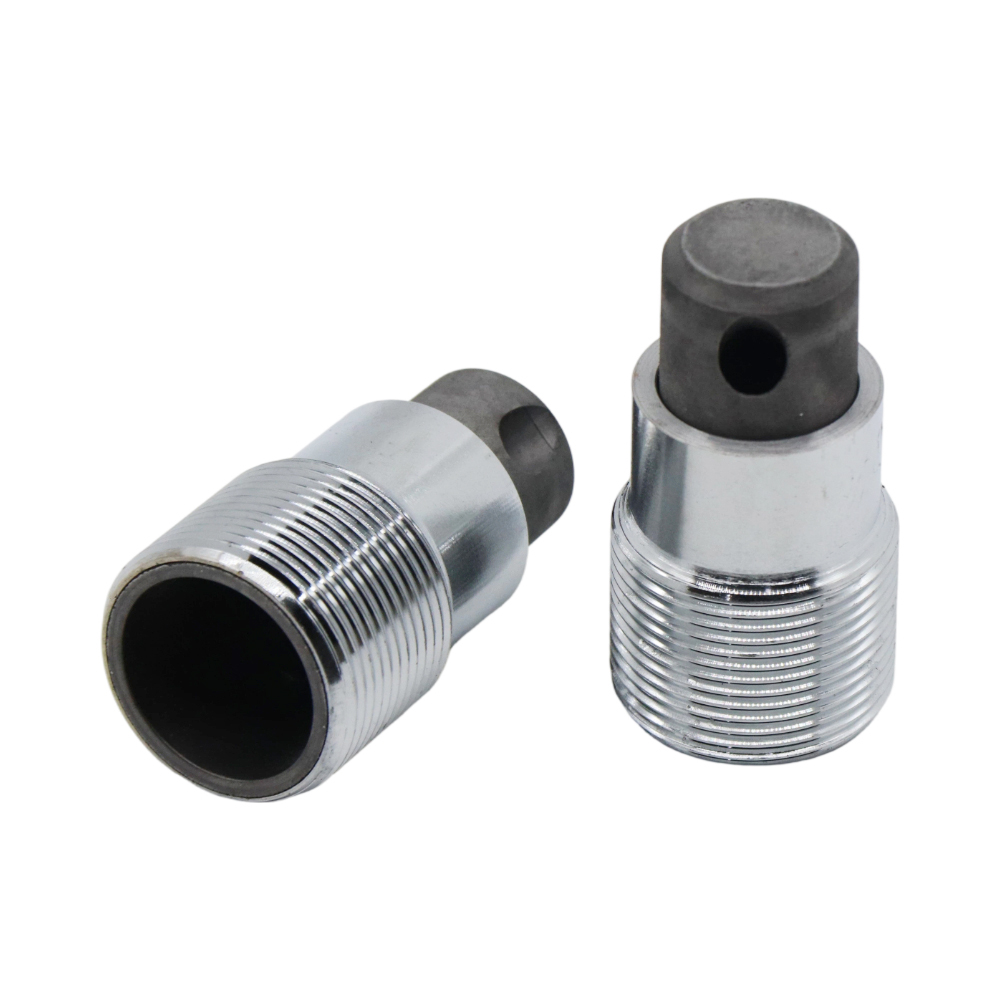
Coarse Thread – 2"-4 1/2 U.N.C. With Al Jacket (45°/90°, 1/2/3 outlets)
Fine Thread – 1-1/4" N.P.S.M. With Al Jacket (45°/90°, 1/2/3 outlets)
Each available with 1, 2, or 3 outlets to balance impact vs. coverage.
Ideal for blasting recesses, pipe internals, behind angles, lattices etc.
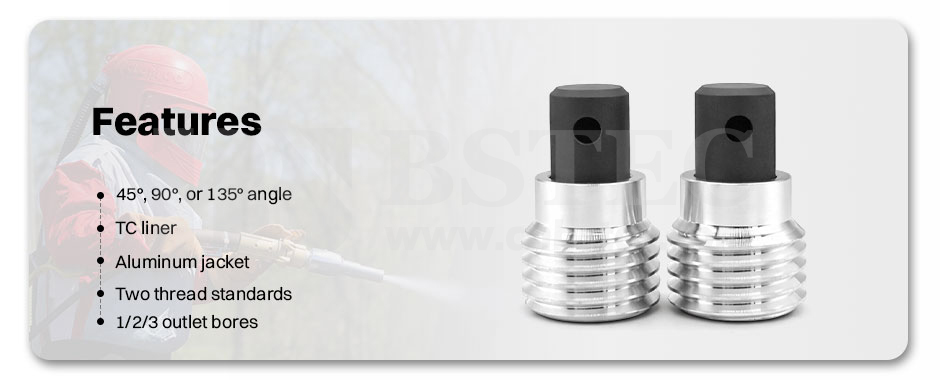
45°, 90°, or 135° angle:Choose 45° for corners & weld seams, 90° for behind profiles & internal flanges, 135° for extreme reverse or deep cavities.
TC liner: TC for long wear life, higher hardness under extreme abrasion.
Aluminum jacket: Lightweight, corrosion-resistant, protects the liner from external impact.
Two thread standards: Coarse & Fine.
1/2/3 outlet bores: Multi-bore configurations expand coverage and increase productivity during cleaning operations.
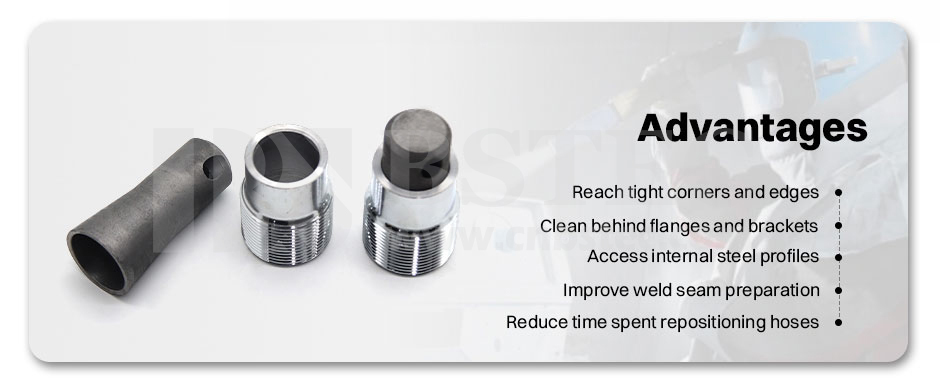
Reach tight corners and edges: Straight nozzles cannot bend into inside corners of H-beams or angle irons. Angle nozzles (45°, 90°, or 135°) direct abrasive precisely into these tight areas, eliminating unblasted spots.
Clean behind flanges and brackets: The back sides of flanges and stiffeners are blind spots for straight nozzles. A 90° or 135° angle nozzle blasts sideways to clean both sides of rust and coating in one pass.
Access internal steel profiles: Box columns and hollow sections need internal cleaning. Insert an angle nozzle through the opening to blast sideways onto inner walls – something straight nozzles cannot do.
Improve weld seam preparation: Weld toes often have undercuts and oxidation. A 45° angled blast directly impacts the weld toe, creating a clean surface for better coating adhesion.
Reduce time spent repositioning hoses: Contractors often select Angle Blast Nozzles for structural steel and pipeline maintenance tasks.
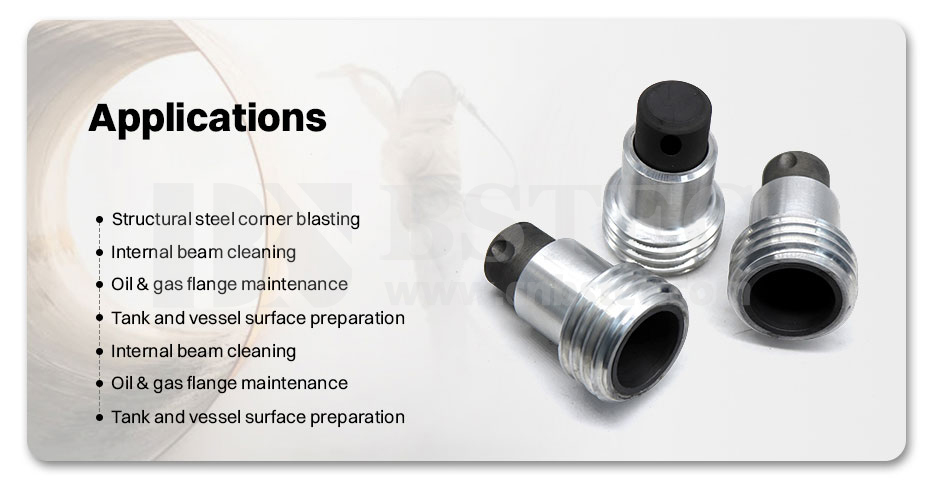
Structural steel corner blasting: A 45° angle nozzle directs abrasive deep into the inside corner radius of H-beams and I-beams, removing mill scale and rust completely.
Internal beam cleaning: Insert an angle nozzle through access holes or open ends to blast sideways onto top, bottom, and side walls of beam interiors in one operation.
Oil & gas flange maintenance: A 90° or 135° angle nozzle precisely blasts the flange face and ring groove from a parallel or steep orientation, avoiding damage to the sealing surface.
Tank and vessel surface preparation: Angle nozzles (45°, 90°, or 135°) navigate around stiffener rings and nozzles to clean inside corners and behind stiffeners, ensuring full lining coverage.
Marine hull edge cleaning: A 45° angle nozzle delivers high-impact abrasive to hull edges, stiffener brackets, and welds, removing rust, old coating, and marine growth.
Industrial refurbishment work: Clean behind brackets, inside C-channels, and around bolt holes – areas that straight blast streams miss – reducing hand tool touch-up.
Weld joint surface preparation: The angled discharge pattern ensures consistent abrasive contact in confined and irregular spaces.






1. He hui kālepa a mea hana paha ʻoe?
He hale hana mākou, ka nui o ka huahana tungsten carbide, boron carbide, a me nā huahana silicon carbide. A ke hana pū nei mākou i ke kālepa ʻana i nā accessaries pili i nā koi o nā mea kūʻai aku.
2. Pehea e hiki ai iā mākou ke hōʻoia i ka maikaʻi?
He laʻana hana mua ma mua o ka hana nui ʻana; Nānā hope mau ma mua o ka hoʻouna ʻana
3. No ke aha ʻoe e kūʻai mai ai iā mākou, ʻaʻole mai nā mea hoʻolako ʻē aʻe?
ʻO ka ʻike waiwai ma ka huahana a me ka hoʻopuka ʻana i ka maikaʻi ISO, ke kumu kūʻai maikaʻi a me ka hāʻawi wikiwiki ʻana i ka laulā hana ākea no ke koho; mālama i ke kumukūʻai, mālama i ka ikehu, mālama manawa; loaʻa nā huahana kiʻekiʻe, loaʻa ka manawa ʻoihana hou aku, lanakila i ka mākeke!
4. Pehea ka lōʻihi o kāu manawa hoʻouna?
ʻO ka maʻamau, he 3 ~ 5 mau lā inā loaʻa nā waiwai; a i ʻole he 15-25 mau lā inā ʻaʻole i loaʻa nā waiwai, ma muli o ka nui o ke kauoha.
5. Hāʻawi anei ʻoe i nā laʻana? He manuahi a keu paha?
ʻO ka maʻamau, ʻaʻole mākou e hāʻawi i nā laʻana manuahi. Akā hiki iā mākou ke unuhi i nā kumukūʻai laʻana mai kāu mau kauoha nui.
6. He aha kāu mau ʻōlelo uku a me ke ʻano?
Uku emi ma mua a i like paha me 1000USD, 100% ma mua. ʻO ka uku ʻoi aku ka nui a i ʻole like me 1000USD, 30% T / T ma mua, koena ma mua o ka hoʻouna ʻana. ʻAe mākou iā T / T, L / C, Alipay, PayPal, Western Union WeChat, a pēlā aku.